Archivo Familiar Río Colorado
Project
Process
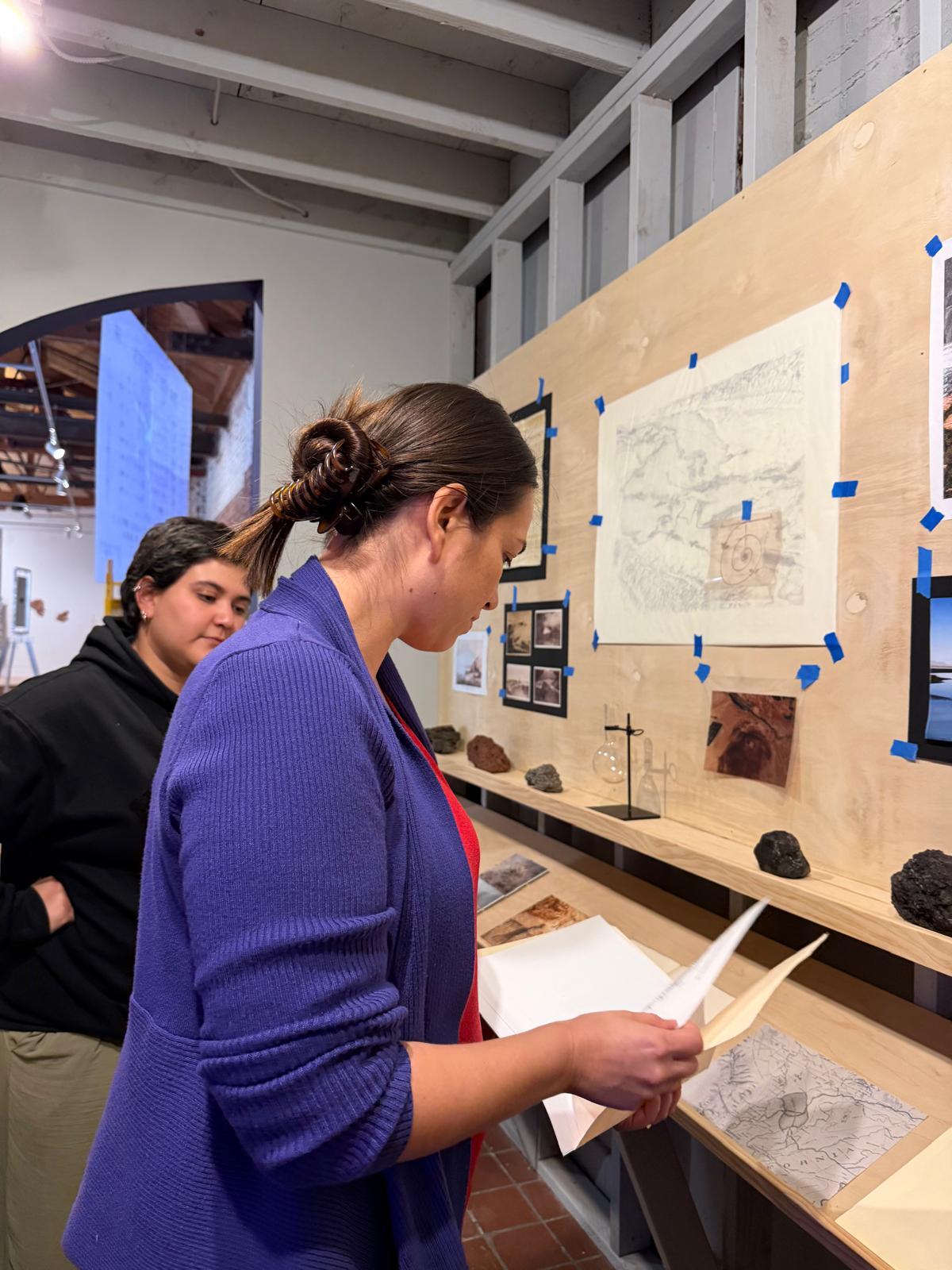
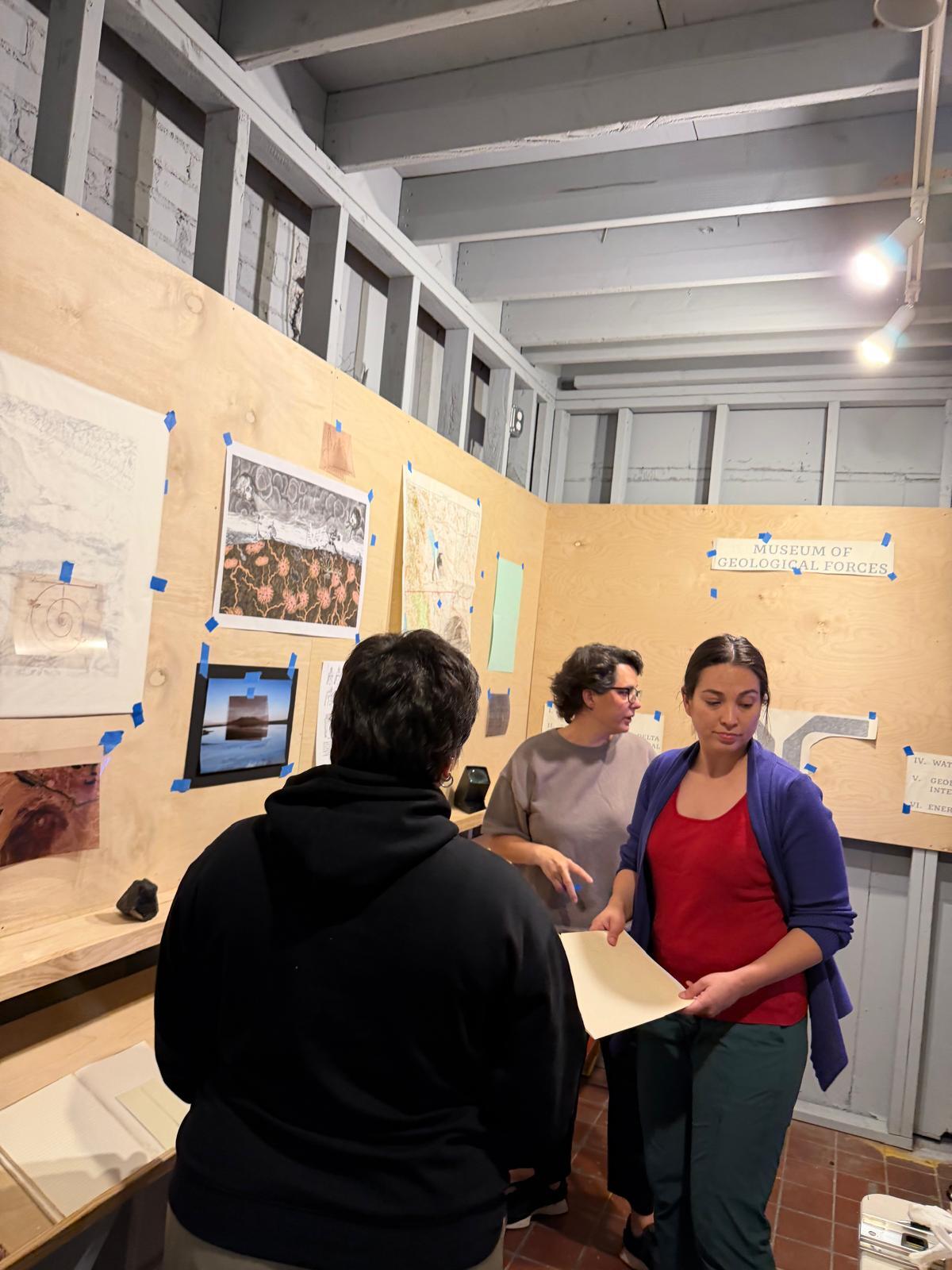
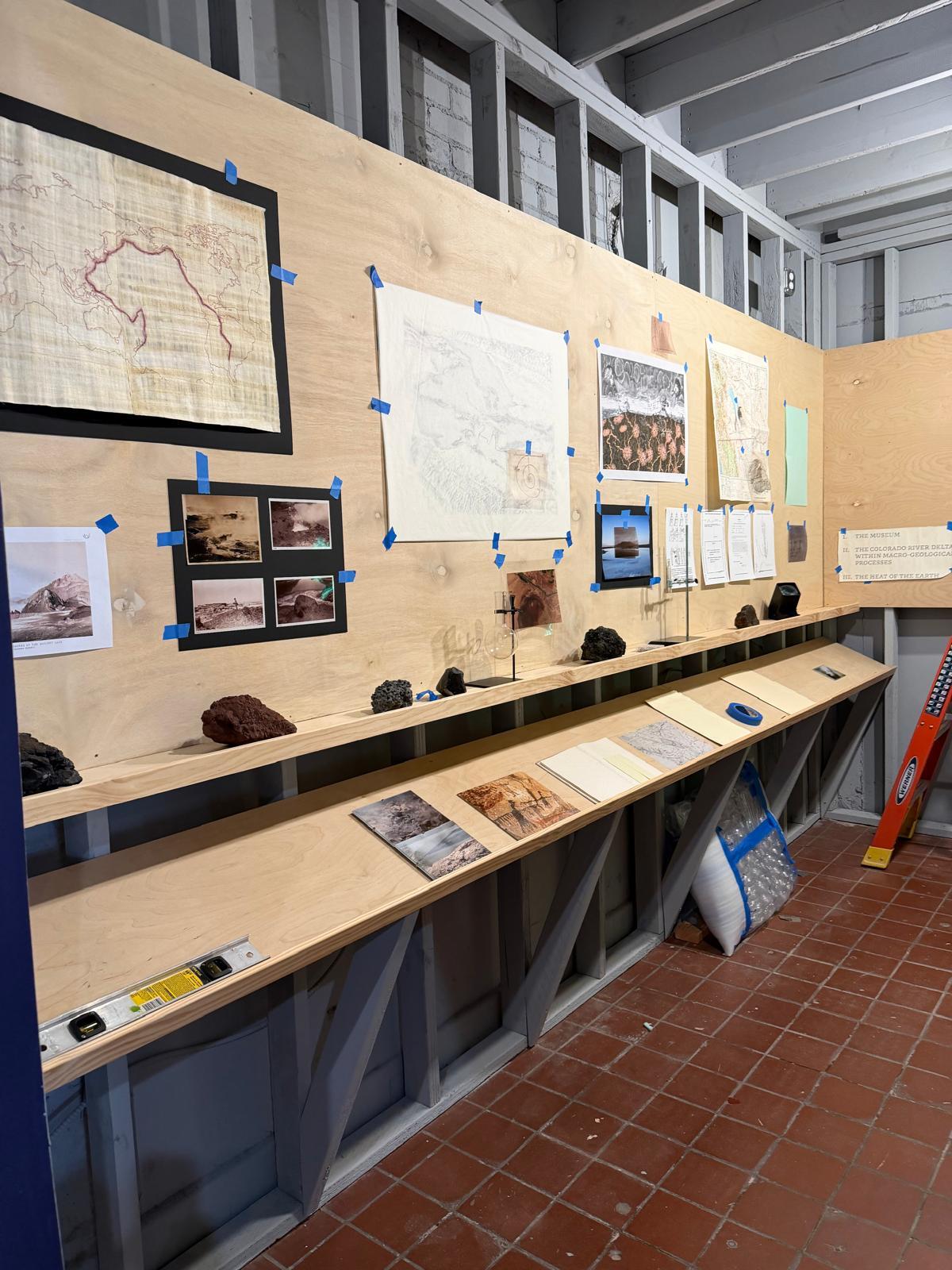

Museum of Geological Forces, 2022-2026
The collaborative project Archivo Familiar del Río Colorado operates across the border between Mexico and the United States in the Colorado River region. Their research focuses on the exploitation of water and the transformation of settlements affected by human industry and geopolitical conventions. Through public interventions, nature walks, sound pieces, writing, photography, and installations, the group invites diverse agents to respond to environmental issues while collecting oral histories, family archives, and folk stories that restore the memory of local ecosystems.
For their INSITE commission, the collective was invited to delve further into their research on the geological activity across the border, specifically in the Salton Sea in the Imperial Valley of California and Cerro Prieto in Mexicali. Both are located in the San Andreas Gulf, and their crust thinning in the surface has created geothermal fields from which energy has been harvested since the 1970s. Archivo Familiar began documenting the gulf’s peculiar topography abundant in geysers, mud pots, gushers, and volcanic activity. The art collective also identified speculative narratives on the extrasensory perception and psychokinesis programs funded by the CIA during the Cold War, in which visualizations of Cerro Prieto supposedly appear on a number of declassified drawings.
The Museum of Geological Forces draws from fiction, historical chronicles, newspaper articles, and museological and scientific practices to critically address the environmental deterioration, land speculation, and geopolitical tension created by extractive industries. Through a diorama and mock-up, the project proposes to build a binational open door museum across Mexico and the US. Halfway between a theme park and a museum, its design is influenced by industrial landmarks, such as monumental dams, where nature is experienced firsthand—in this case, as geysers, volcanic activity, and seismic movement of tectonic plates. Its grandiloquence not only replicates greenwash ventures, but also functions as a paradox of the power relationships and dynamics that have historically conditioned social life in the transnational border.
Investigación y desarrollo general: Jessica Sevilla, Mayté Miranda y Rosela del Bosque
Concepto y desarrollo de la ficción: Jessica Sevilla
Producción general:
Mayté Miranda y Jessica Sevilla
Identidad institucional del MFG y diseño editorial (brochure): Andrea Carrillo
Museografía: Giacomo Castagnola, Andrea Carrillo, Mayté Miranda y Jessica Sevilla
Diseño arquitectónico del MFG (Atelier Strata / Veintedoce) y torre de observación: Beatriz Villegas, Ángel Verduzco y Jair García
Pintura del paisaje (vista desde la torre central del MFG): Cynthia Hooper
Diario de campo con reportes etnográficos sobre Cerro Prieto:
Escritura: María Torres
Traducción al ruso: Andriy Lisenko
Transcripción: Anastasiia Khadzhiieva
Reproducción de transcripción: Mayté Miranda
Video Las Fuerzas:
Dirección: Nicolasa Ruiz
Guion: Nicolasa Ruiz y Jessica Sevilla
Dirección de fotografía: Hugo Fermé
Asistencia de cámara: Cristina Flores
Edición: Rafael de los Reyes
Talento: Herbey Reyes
Sonido directo: Israel Sánchez
Diseño sonoro: Fernando Díaz de la Vega
Foto fija: Pastizal Zamudio
Archivo: Centro de Estudios y Producción Audiovisual de la Facultad de Artes, Universidad Autónoma de Baja California
Composición sonora Mayormente soleado: Israel Sánchez
Reporte científico sobre geotermia: Rosela del Bosque
Diseño de póster No pararemos hasta que el mundo sea verde: Mayté Miranda
Impresión en risografía: Taller California
Dibujos y materiales gráficos:
– El círculo en las fuerzas geológicas / Anillo de Fuego del Pacífico: Mayté Miranda
–Vista aérea con ubicación de fenómenos geológicos de la región (dibujo en grafito): Jessica Sevilla
– Corte longitudinal de volcanes en la región (a partir de imágenes de Athanasius Kircher, Mundus Subterraneus, 1665): Jessica Sevilla
Para la elaboración de este montaje se utilizaron archivos de la Biblioteca de UCLA (California Development Company Photographs, 1903–1908, Cory, H. T.) y de la UC San Diego Library (Howard E. Guilick Photographs).